Practical Architecture: What I bought - spotting diamonds in the rough
What we almost bought
This was at a point in 2016 in Oslo where a lot of apartments would go before the viewing through private bids, so-called “couping”. The market was insane and people were buying apartments for 4-5 million NOK unseen! Statistics showed that the housing market in Oslo rose by 23,3% in 2016! (Norway in total by 12,3%)
We were open to explore different scenarios. Urban and pedestrian friendly, or more remote and closer to nature? Small townhouses, or efficient apartments? It was all about the perfect combination. I was mostly looking for somewhere I could apply some practical architecture and take theory into practice, but then I found this 50sq.m pearl done by Bonum:
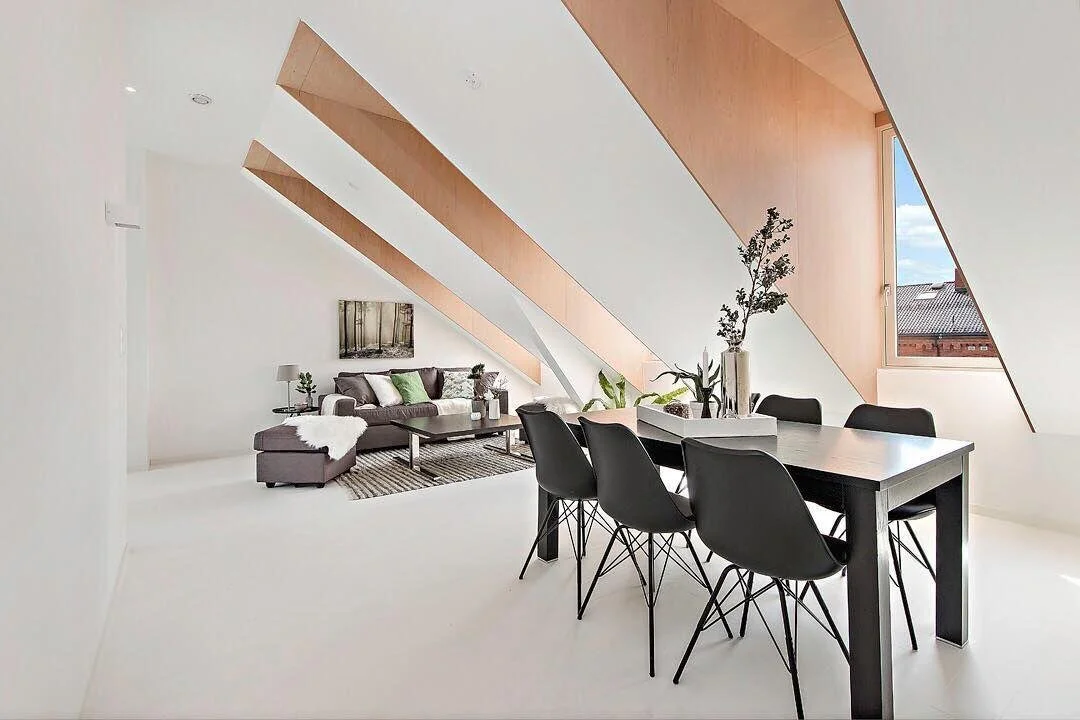
Sleek white minimalist deisign, fancy modern interpretations of arks in the living room
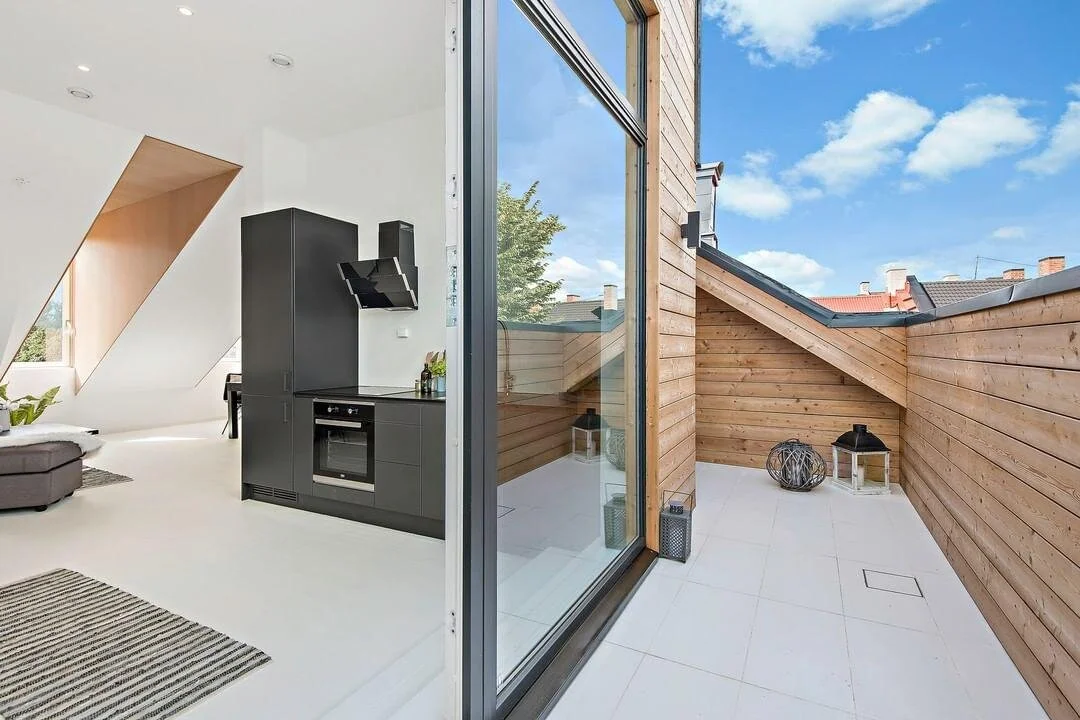
Black kitchens and a rooftop balcony to pop the Crémant on after a long day.
A freshly refurbished loft in an old courtyard block, with white stained, wide-spaced parquet, fancy slim arcs clad in white stained plywood. A black sleek kitchen, a little outdoor nook, 2 bedrooms, bath, and large open living spaces. Facades on two sides, giving plenty of daylight. And even if the formal square meter number was low, the floor area was actually huge due to the slanted ceilings.
It was located in a calm, yet an urban area of Oslo, and I was in love even before I saw it in person.
So I decided to jump on the zeitgeist and YOLO coup it. Unseen. Before the open house. I sent the realtor a mail a week before the open house telling him I would like to buy it privately for 4.5m NOK unseen. The realtor took it to his clients, but I didn’t hear anything from him for a few hours, so I got on with my life and went out for drinks with some friends. at 11 pm the realtor called me back and told me the sellers made me a counter-offer of 4.6mill.
Me, being the responsible kind of person that bids a few million for an apartment unseen, decided that this didn’t seem like a bad idea, and told the realtor that I would like to accept the counterbid, on one condition: That I got until the next morning to sober up before officially accepting it. I figured I had done my share of drunken shopping on Amazon, and decided that to escalate that to real estate perhaps wasn’t a pattern I would like to nurture.
As the realtor and the client did not want to give me until the morning to answer, the deal fell through the deal, and I decided not to be the kind of Oslo stereotype that buys apartments over the phone with borrowed money holding a glass of prosecco at some douchey bar at Vulkan.
So where is what we actually bought
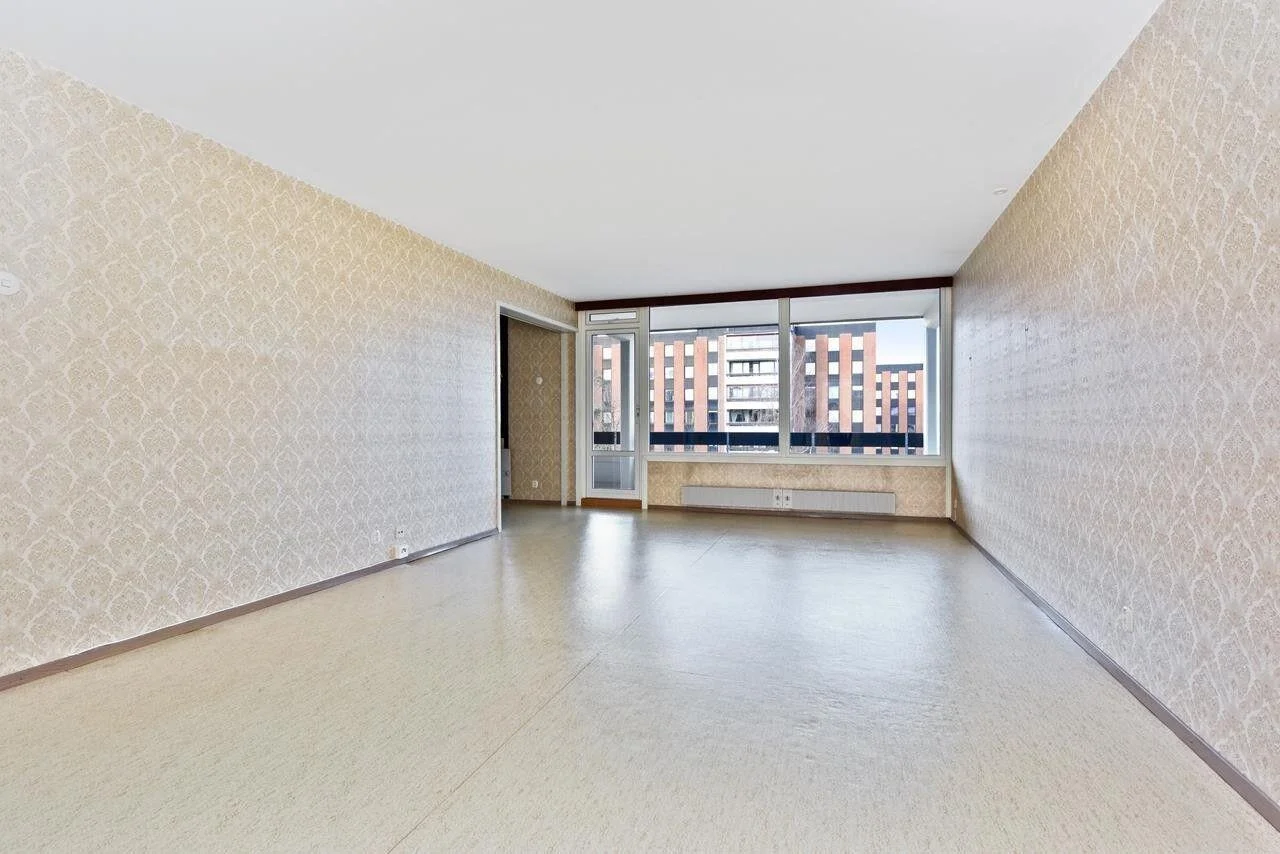
Wallpaper for days
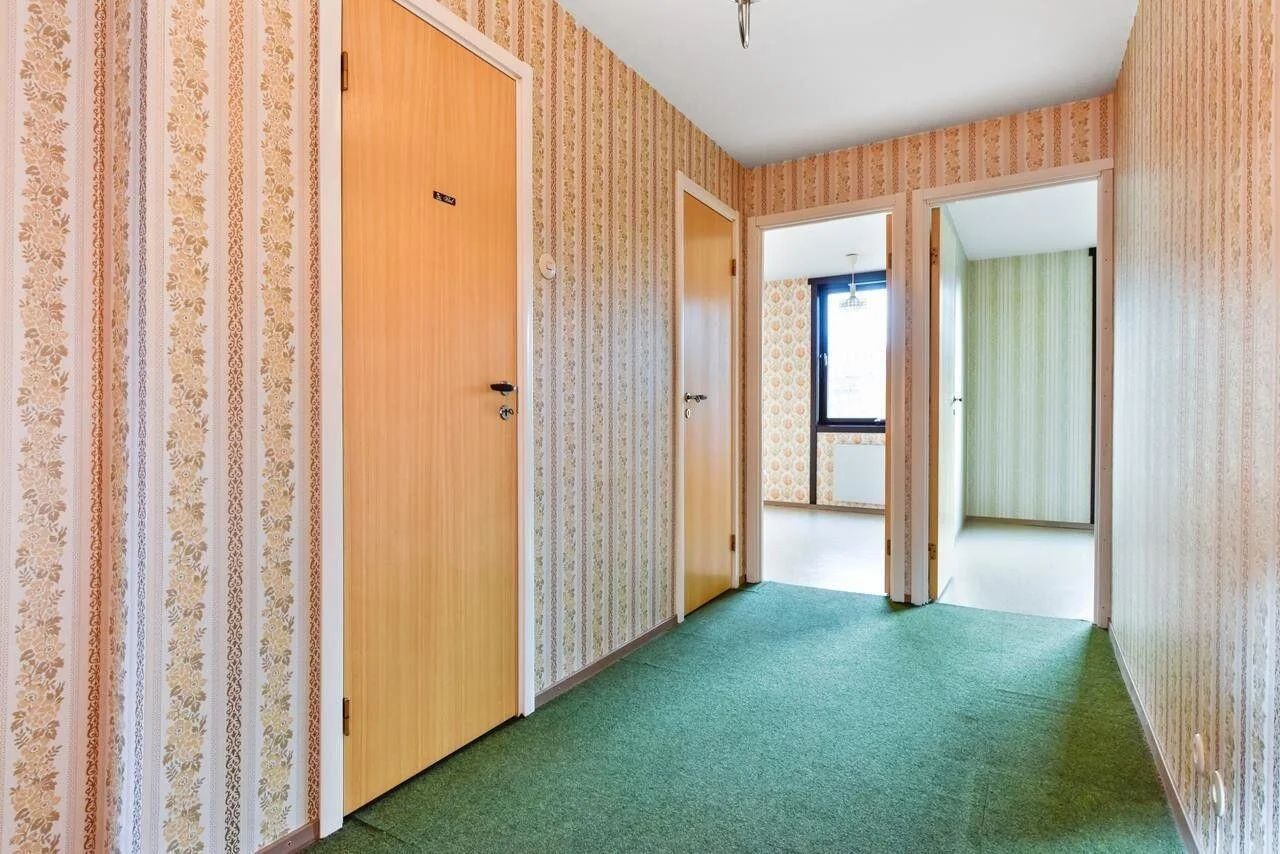
Yes thats real faux grass in the hallways
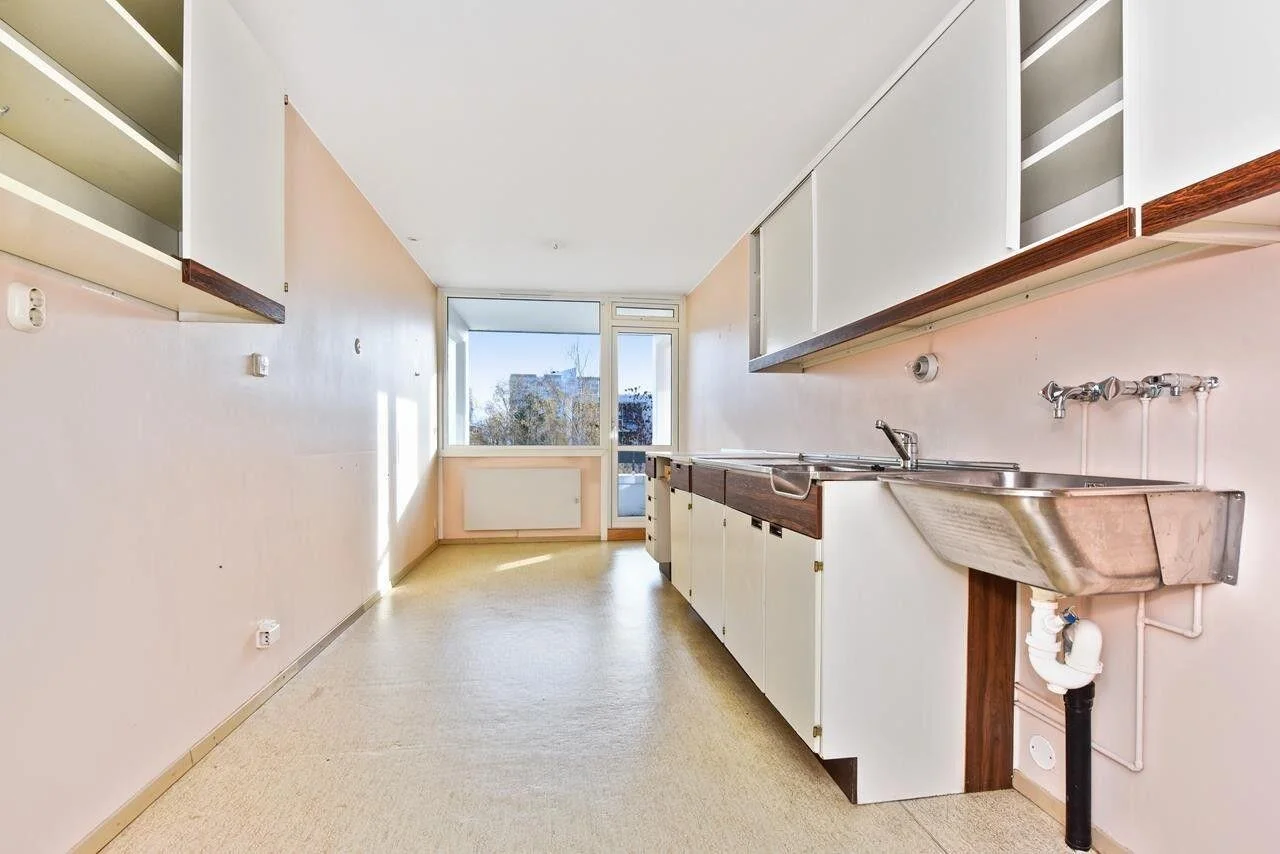
Slightly dated kitchen
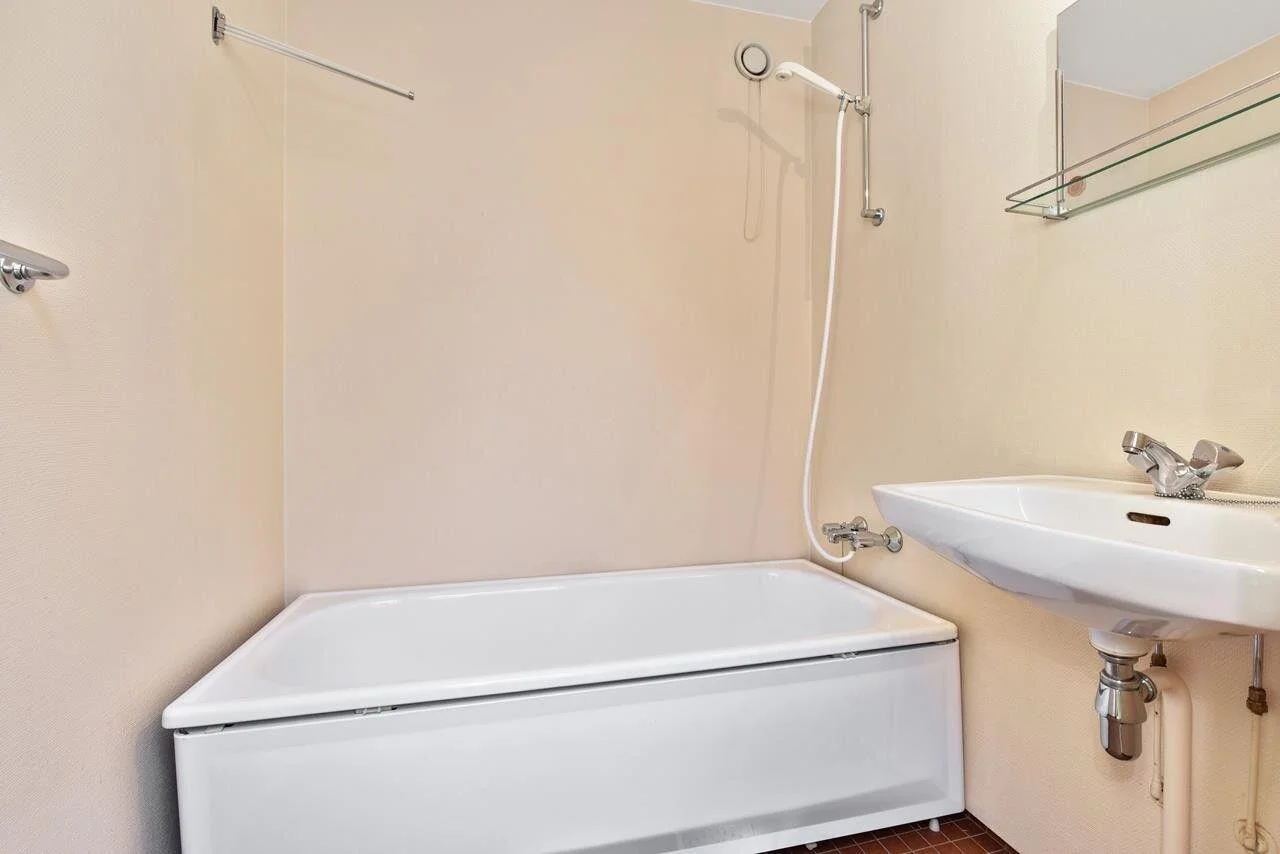
Fancy bathtub to soak in after a long day of …who am I kidding, we were never going to touch that tub.
Now, why would we buy this?
Honestly, we found it at a price where I could design it to be whatever I wanted it to be, not like we were going to keep the bathroom or anything right? It was priced in such a way in the market that when accounting for the potential costs of refurbishing, I’d at most land on average flat market value for the area.
We paid 4,550,000 NOK for this apartment (that’s 555,340USD for anyone curious at the time of writing). Which placed the price per square meter at 49,450NOK. I checked comparable, but fresher apartments in the same zip code and area, which gave me another key number: The average price/square meter in the area was 60,000NOK at that time.
So assuming the apartment was fresh and “at market value” I’d be worth 5,520,000 NOK at the time of our purchase. That meant that I had a budget of 965,000 NOK to refurb for, just breaking even with the average market. To me that was plenty of time to maneuver, we’ll get back to some budget numbers in a later post.
Cost and budget:
price paid: 4,550,000 NOK
price/sqm: 49,450 NOK
average price/sqm in area: 60,000 NOK
assumed price if “at market quality”: 5,520,000 NOK
budget to play with: 965,000 NOK
You can do a lot with an apartment and a decent budget. and I knew my girlfriend and myself were ready to invest massive sweat equity into this place. So after some deliberation, and passing on a third apartment I managed to talk my girlfriend out of buying something liveable and instead investing in this piece of shit together with me. It had good bones. It had a great location for us, close to subways, quiet, child-friendly, close to nature. Buying child-friendly as a DINK couple made sense for several reasons, we could obviously in the future be considered children, but also it’s like buying a station wagon, you’ll always be able to sell a station wagon to a family in a few years right?
I checked my directions, the apartment had two balconies, one smaller east-facing one, with morning sun until noon (the breakfast balcony as it later became) and one huge west-facing one, that was sunny until it set behind some neighboring buildings late in the summer evenings. It was a dual aspect apartment, so even though it is deep (13m deep, plus covered balconies) it had good light and potential for creating a draft through on warm summer days.
And lastly, the number of openable windows, our key metric for “number of bedrooms”-potential. We had 4 windows spaced in such a way that they would work as great bedrooms, on top of the balcony door and windows for the living room. So for those of you that are good at math, that’s an apartment sold with 3 bedrooms, with a potential for a 4th. And that my friends, is one of the surest ways to increase value in the apartment housing market today!
Next time we’ll go over the key identified potentials, we’ll have a real look at the plans and why they shone in my eyes like gold when I saw them, and we’ll talk about the greatest tax loophole in Norway since before WWII
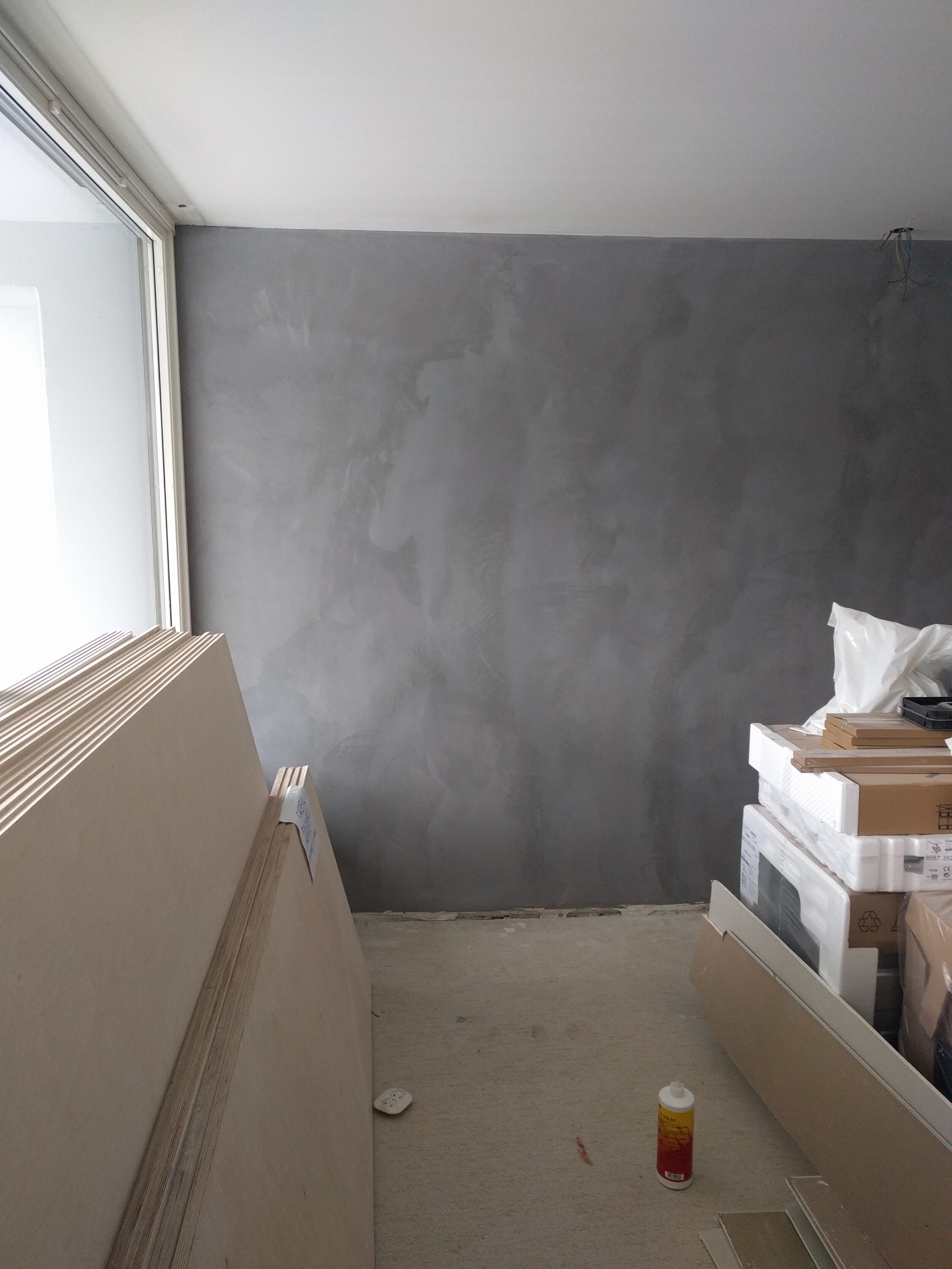
Practical Architecture: What I look for when looking at apartments
Architecture can be so many things, as lofty as designing urban space, and as practical as where should the toilet sit.
This series, Practical Architecture, is for when I ask myself, in the famous words of Amy Deasismont “What’s in it for me?”
..You know besides a rewarding profession, a creative spark in life, a chance to change how people interact with the world and their built environment, a series of employable skills, and so on…
Practical architecture is about how I apply architecture to real-world situations, often my own personal life, in order to benefit from architecture beyond the profession of architecture. Now don’t get me wrong, I am a huge fan of “big” architecture, large ideas, how we shape the world around me. I mean my job is literally on using AI to design better cities. But sometimes I get the chance to act on my own environment directly, in a way that benefits me directly, and that too is pretty awesome.
The case study for this series is my own apartment that I bought back in 2017. I’ll be talking about investing in apartments, what to look for, what to avoid, what to DIY and where to hire contractors. I’ll write about how to increase your apartments value, how to build cashflow from your apartment, but also what it takes to create a flexible home for a growing family in a housing market a lot struggle to enter. These things are connected.
Act 1: What I’m shopping for when shopping for apartments - quality hunting
Location, location, location,
is the mantra we all hear when talking about real estate. The location of your shack directly influences the value of your investment. In high-end areas, the location could be worth 10x, 20x the real value of the actual building on said location.
You can find 20mill NOK villa properties in high-end areas of Oslo, where the value assessment of the building itself is 1,6mill NOK in the taxman's eyes. meaning the location is worth the remaining 18,4mill NOK. Insane right? And the other way around in less attractive locations.
Apartments are seriously influenced by these factors. Make sure that you are not buying somewhere unattractive by accident, if you do, you’ll have to hope the next buyer is as stupid as you were. However do consider if you really want to buy the apartment in the hottest area of town, they may be overpriced!
Quality hunting; Where is north?
Be aware of things beyond the living room in the house or apartment you’re considering. Do you know which way north is? Awareness of this will help you understand if you’ll get afternoon sun on your balcony if your bedrooms are catching the morning rays and so on.
Do you have a “quiet side” in your apartment? Somewhere facing away from busy streets, where you’ll sleep quietly even as the buses or trams or drunken night owls pass by outside your building?
Consider also when you’ll be available in the apartment to enjoy the qualities of the apartment. If you’ve got great sun conditions on your balcony, but it fades behind a neighboring building at 16:00, you won’t have a chance to enjoy it on weekdays when you return from work at 18:00.
Are you in a hot environment? Arizona? Perhaps you’d prefer your panorama windows in your apartment to rather be north-facing, not exposing your whole apartment to the searing sun all day, and either returning from work to an easy bake oven or to have an air-con bill take a substantial chunk of your earnings?
It’s basic stuff, but always worth remembering. The first thing I ask myself when I enter an apartment I’m considering is, therefore, “Where is north?” and then try to envision the life of this apartment, the flow of the day, the late nights drinking wine, the early mornings waking up, does the space have potential?
The number of windows, hunting for that extra bedroom!
One of the easiest ways to increase your return on investment is to buy an apartment capable of being transformed into an apartment with one more bedroom. Within reason of course, nobody needs a 7 bedroom apartment. That extra bedroom is worth a lot more than it’ll cost you to build it. A two-bedroom apartment is potentially a family unit, while a one-bedroom apartment is a bachelor pad with no extra room for guests (unless they couch surf or join you in bed that is).
An extra bedroom is a home office, it’s a flatmate sharing your rent, it’s a storage area, a guest room, a nursery. An extra bedroom is an asset! realtors will likely upgrade your valuation, banks may lend you more money, angels will descend from the sky singing your lamentations. ..Well, maybe not quite.
A quick rule of thumb is to browse your prospective apartment for the number of openable windows. A bedroom typically needs a window, some daylight, some fresh air. If you’ve got more windows than you’ve got rooms that need windows (so that’s excluding closets, bathrooms, and halls, potentially kitchens depending on location) then you might have an opportunity to upgrade the apartment to add another bedroom.
We are looking for the number of existing windows in apartments because unlike in houses, you likely can’t just knock down part of a facade and add another window to your flat. There are rules and you likely don’t even own the facade of your own apartment, that’s typically the property of the building owner which you may or may not be a shareholder of.
Now unconditionally mashing in another bedroom is no guarantee, you may eat too much of the other spaces for it to make sense, but often you’ll find that you can sacrifice a kitchen dining table area for another room, and still have your dinner in the living room. You may find that your living room at 25m2, could potentially be 18m2 and still be an acceptable space.
Beware though, moving a kitchen to an open kitchen solution in the living room, in order to turn the original kitchen into a bedroom, may prove more costly than it’s worth. Well, be looking into the economics of this later.
The key here is “acceptable”. You’ll likely make some trade-offs, and it’s personal what is an acceptable trade-off, and what isn’t. Personally, I want my real estate to have the potential to work for me, even my primary residence. Others may prefer the luxury of not doing that. The potential I said, that means I don’t have to, but it could if I wanted it to.
The unfortunate situation of the five-year-old bathroom
Nothing bugs me more than to find relatively newly renovated bathrooms. The problem isn’t the new bathrooms, if they look good then great, but people do the darndest things. Whenever I enter one of these bathrooms with yellowish tiles and “a personal touch” my bidding power instantly drops by the cost of redoing the bathroom. I can’t live with some people’s poor excuse for style. And of course, the other people prospecting the apartment things it looks great and is willing to bid that much higher than me all of a sudden.
The alternative is the system bathrooms done by professional developers. Nothing screams bland like 20x40 white tiles, with dark grey 20x20 tiles on the floor, and corner close and openable shower zone.
Bathrooms are by far the most expensive room to upgrade, lucky there are ways to upgrade a bathroom without needing to rip everything out, as long as it’s functional.
But the dream is to find a bathroom that is past its lifetime, giving you an excuse to impose your own poor taste on the next buyer! It’s not rational, but for an architect, it is indeed the dream.
The economy of the apartment complex
Don’t be a sucker, do some basic financial analysis of the complex you’re considering. Are there any major upgrades planned, what will that cost, how much will your apartments costs increase? Major upgrades can be good or bad. Perhaps you’re looking at somewhere there is a plan to add balconies, a massive asset! But do understand what’s going to happen with this building the next years, and account for it when placing your bid.
Closing words
The advice above may be basic, or it may be news to you. We start with the general and dive down into the specifics as we go along. Next Act, I’ll be diving into what I almost bought, unseen and Prosecco drunk, and what I ended up buying in the end.